10-Point Fire Safety Checklist for Kenyan Offices
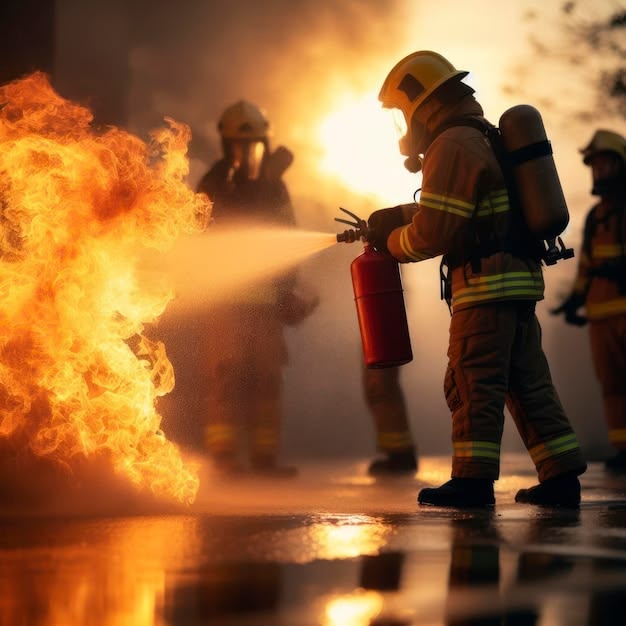
From extinguishers to evacuation routes the essential checklist every workplace should run quarterly.
Fire safety is one of the most important responsibilities for any business. Whether you operate a small office, a corporate headquarters, a retail shop, or a commercial building, being prepared for a fire emergency can protect lives, prevent property damage, and minimize business disruption. In Kenya, employers have a legal duty to provide a safe working environment. A well-prepared workplace not only complies with safety regulations but also gives employees confidence that their wellbeing is a priority. Use this 10-point fire safety checklist to assess whether your office is prepared to respond effectively in the event of a fire.
1. Install the Right Fire Extinguishers
Every office should have fire extinguishers positioned in accessible locations. Different types of fires require different extinguishers, so it is important to ensure you have the correct equipment for your workplace. Common fire extinguisher types include: Water extinguishers for ordinary combustible materials, CO₂ extinguishers for electrical fires, Dry powder extinguishers for multiple fire risks and Foam extinguishers for flammable liquids
2. Service Fire Equipment Regularly
Installing fire safety equipment is only the first step. Regular inspection and servicing ensure that extinguishers, hose reels, alarms, and other systems function properly when needed. Routine maintenance helps identify damaged equipment before it becomes a safety risk and ensures compliance with workplace safety requirements.
3. Keep Emergency Exits Clear
Emergency exits should always remain unobstructed. Avoid storing boxes, furniture, or equipment in corridors, stairways, or exit routes. During an emergency, even a small obstruction can delay evacuation and increase the risk of injury. Ensure exit doors open easily and can be used immediately without requiring keys or special access.
4. Display Fire Safety Signs
WProper signage helps employees and visitors react quickly during an emergency. Your office should clearly display: Fire exit signs, Fire extinguisher location signs, Assembly point signs, Emergency contact information and Fire action notices. Signs should be visible, easy to read, and positioned where people can quickly identify them.
5. Train Employees on Fire Safety
Fire safety equipment is only effective if employees know how to use it. Regular training should cover: Identifying fire hazards, Safe evacuation procedures, Basic fire extinguisher operation, Emergency reporting procedures and Roles of designated fire marshals Well-trained employees are more likely to respond calmly and effectively during emergencies.
6. Conduct Regular Fire Drills
WFire drills help everyone become familiar with evacuation procedures before an actual emergency occurs. A successful fire drill allows your organization to: Test evacuation times, Identify blocked exits, Evaluate emergency communication, Improve staff preparedness and Correct weaknesses in evacuation plans Fire drills should be conducted periodically and reviewed after completion to identify opportunities for improvement.
Key takeaways
- Identify hazards through structured HIRAC assessments.
- Train every employee in basic emergency response.
- Document everything, it's your defense if anything goes wrong.
- Review and update your safety program annually.
Need help implementing any of the above? Talk to our team, the first consultation is free.