Understanding the OSHA 2007 Act in Kenya

Every employee deserves to work in a safe and healthy environment. In Kenya, the Occupational Safety and Health Act (OSHA), 2007 provides the legal framework that protects workers from workplace hazards while outlining the responsibilities of employers and employees.
Whether you operate an office, construction site, warehouse, factory, or retail business, understanding OSHA 2007 is essential for maintaining compliance and creating a safer workplace.
What is OSHA 2007?
The Occupational Safety and Health Act (OSHA), 2007 was enacted to promote the safety, health, and welfare of employees across all workplaces in Kenya. It replaced the former Factories Act, expanding its scope to cover virtually every industry.
The Act is administered by the Directorate of Occupational Safety and Health Services (DOSHS) and aims to prevent workplace accidents, injuries, and occupational diseases while ensuring employers provide safe working conditions.
Employer Responsibilities
Under OSHA 2007, employers have a legal duty to provide a safe working environment. This includes:
- Conducting regular workplace risk assessments.
- Providing safe equipment and properly maintained machinery.
- Training employees on workplace safety and emergency procedures.
- Supplying appropriate Personal Protective Equipment (PPE) where required.
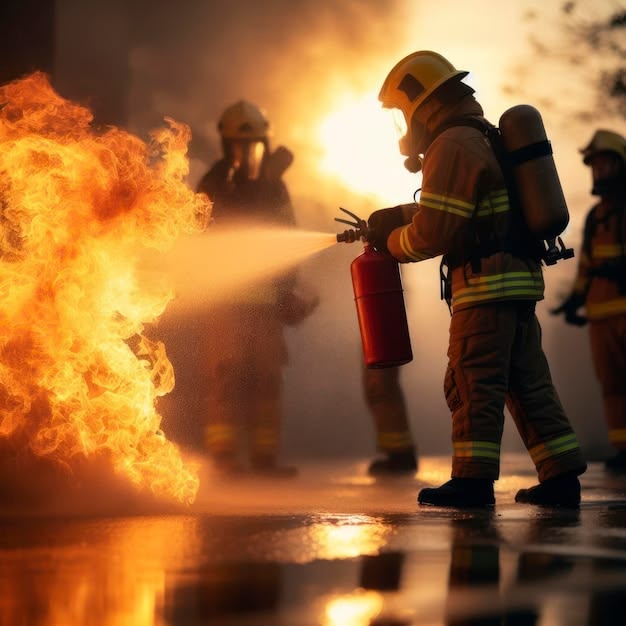
- Maintaining fire safety equipment, first aid facilities, and emergency exits.
- Reporting workplace accidents and occupational diseases as required by law.
Meeting these responsibilities helps reduce workplace risks while ensuring legal compliance.
Employee Responsibilities
Workplace safety is a shared responsibility. Employees are expected to:
- Follow workplace safety procedures.
- Wear PPE correctly when required.
- Report hazards and unsafe conditions promptly.
- Use equipment responsibly.
- Participate in safety training.
- Avoid actions that could endanger themselves or others.
Common Workplace Hazards
Hazards vary across industries, but some of the most common include:
- Fire hazards
- Electrical faults
- Slips, trips, and falls
- Unsafe machinery
- Hazardous chemicals
- Poor ergonomics
- Falling objects
- Excessive noise
Identifying and addressing these hazards early helps prevent accidents and injuries.
Why OSHA Compliance Matters
Complying with OSHA 2007 benefits both employers and employees by:
- Protecting employees through safer working conditions.
- Reducing workplace accidents and operational downtime.
- Lowering costs associated with injuries, compensation claims, and equipment damage.
- Improving productivity by creating a safer and more efficient work environment.
- Avoiding legal penalties and maintaining compliance with Kenyan regulations.
Best Practices for Compliance
Maintaining compliance requires ongoing commitment. Employers should:
- Conduct regular workplace inspections.
- Perform periodic risk assessments.
- Provide continuous safety training.
- Service fire safety equipment regularly.
- Keep accurate safety records.
- Carry out emergency evacuation drills.
- Encourage employees to report hazards without delay.
By making workplace safety a daily priority, organizations can create healthier, more productive environments while meeting the requirements of OSHA 2007.